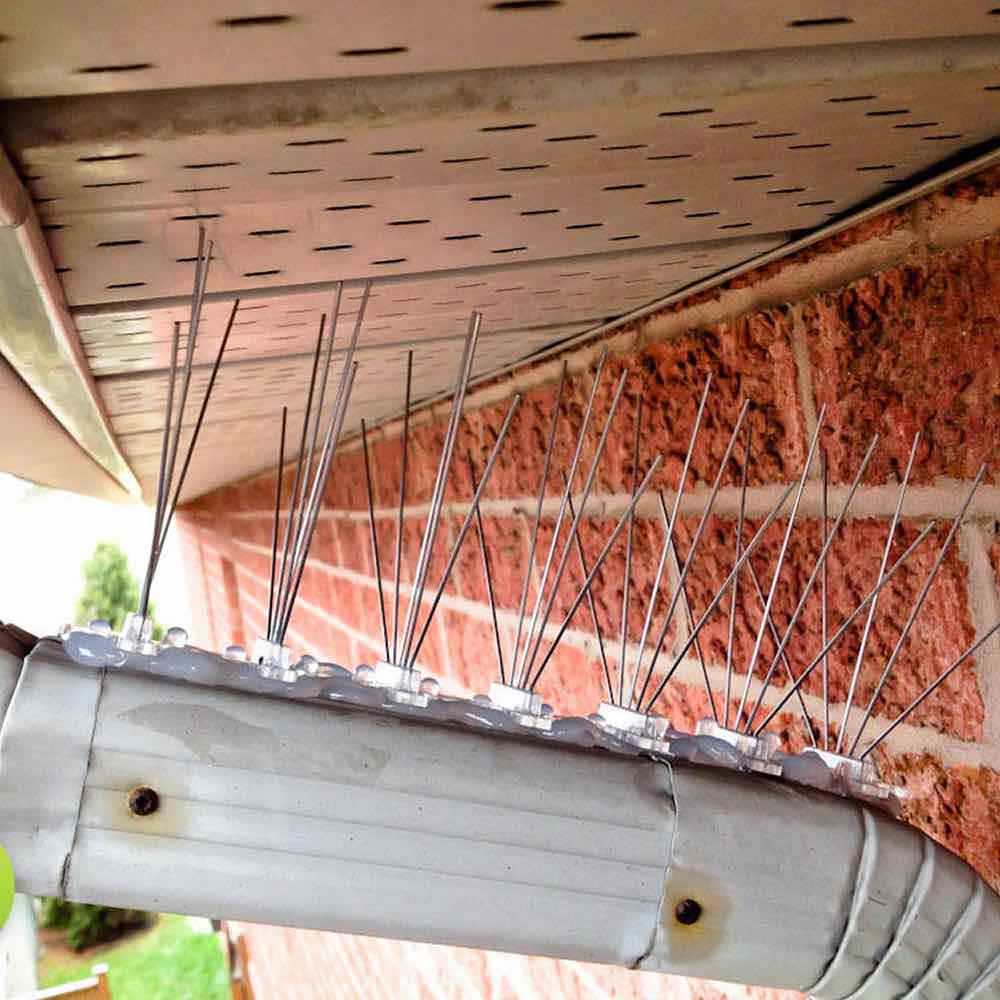
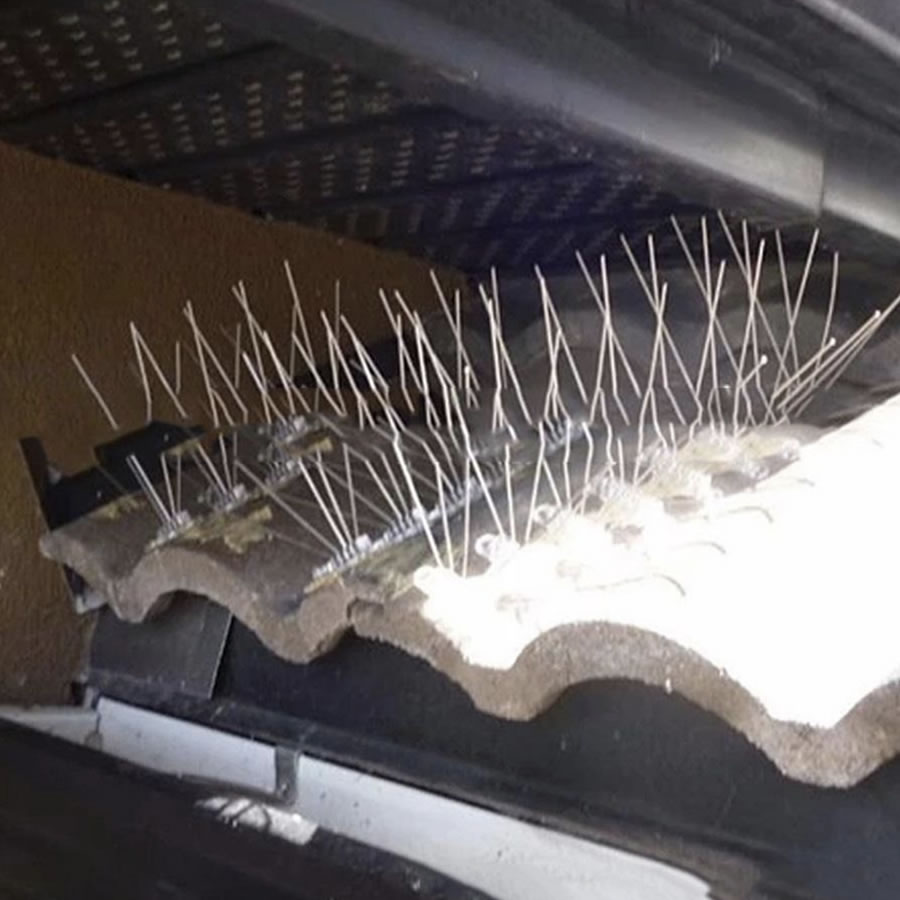
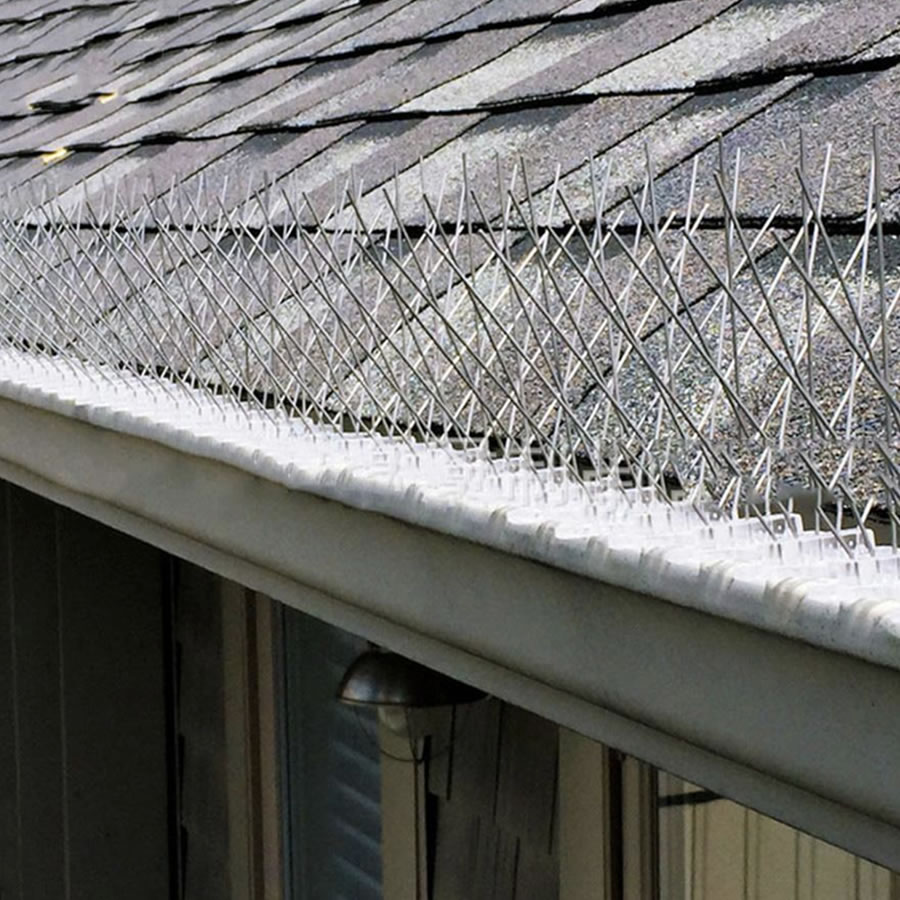
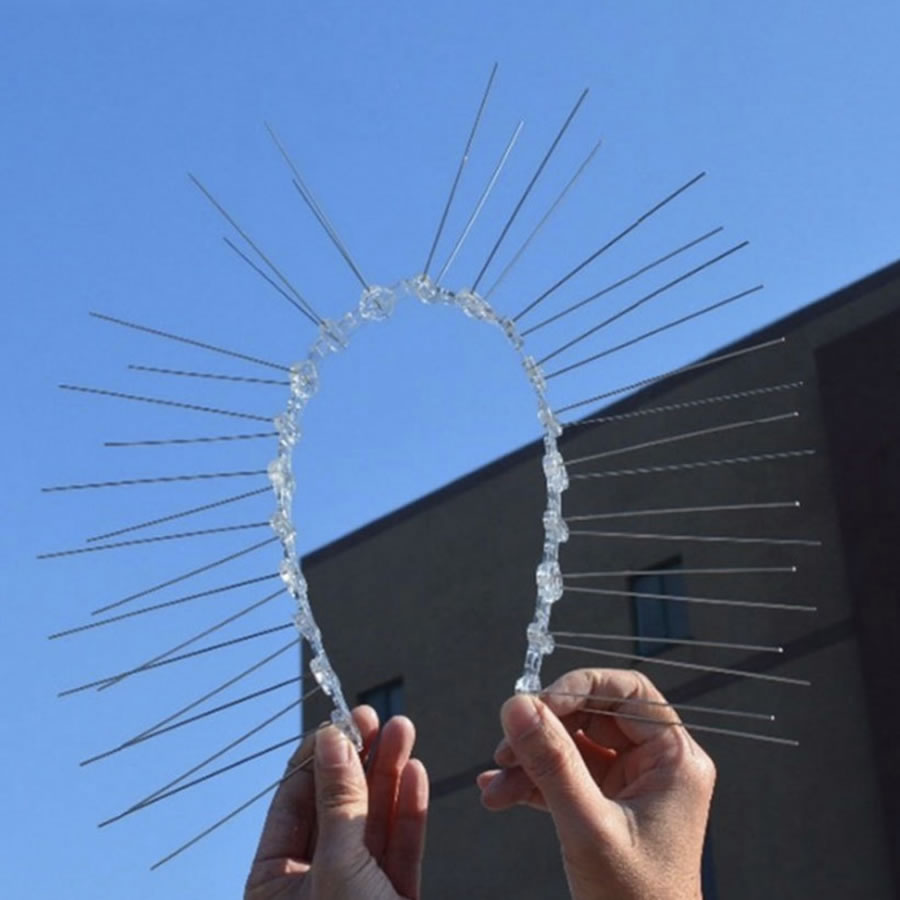
Clear leaves and nesting material from between the pins once or twice a year
Shipping & returns
Tracked delivery anywhere in Thailand, free on every order. Please allow 5 to 7 days for it to reach your door.
You can return any item within 15 days of delivery for an exchange or a full refund of the product price, as long as it is uncut, unused and in its original packaging. You cover the cost of sending it back unless the item is faulty.
If it arrives faulty, damaged or not as described, we put it right at no cost to you, return postage included.
Clear leaves and nesting material from between the pins once or twice a year. Enough debris packs down into a platform and a bird will stand on that instead.
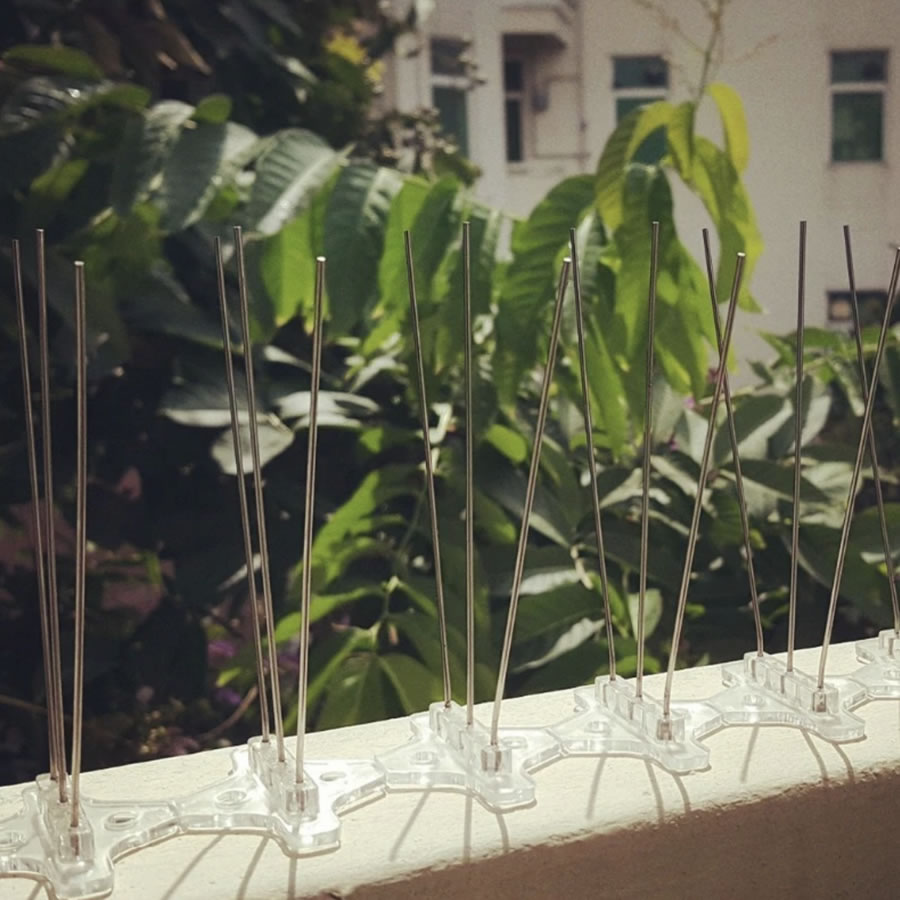
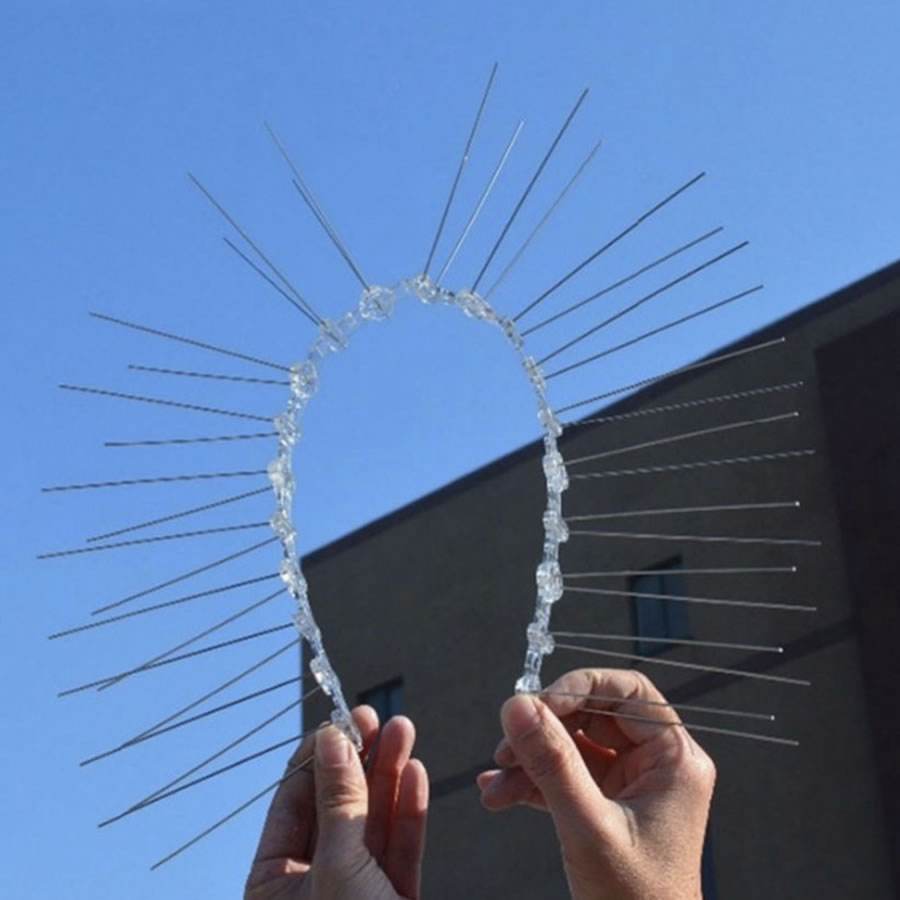
Stainless Steel Pins1.3 mm pins that do not rust, inland or on the coast
Sold By The 50 cmNo minimum order, so you buy the run you actually have
Sized For Larger BirdsA 70 mm protected band, which is a pigeon and upward
We Will Say NoIf netting is the right answer for your bird, this page says so
About this product
Read this before you buy for sparrows.
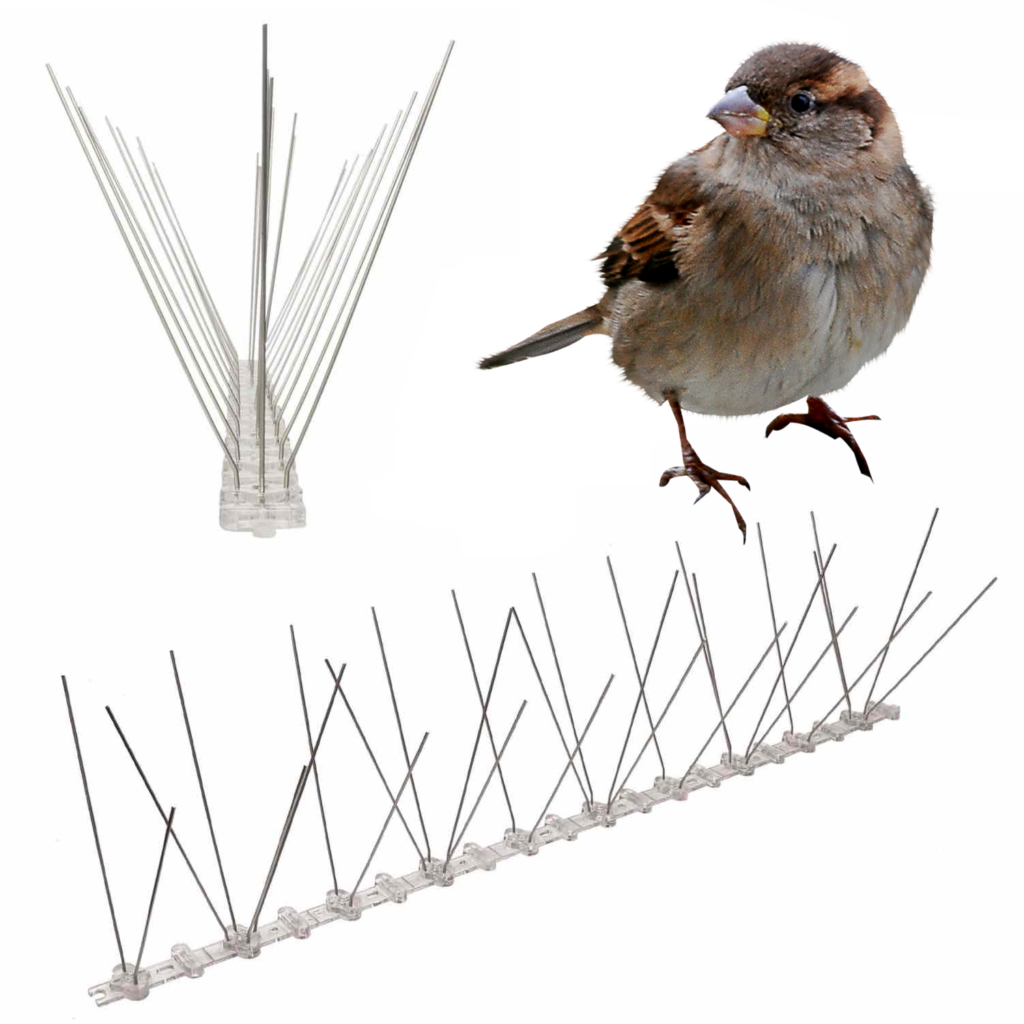
Spikes are sized for pigeons. A sparrow is small enough to sit between the pins, so on most sparrow problems netting is the honest answer.
This is our stainless strip, and the useful thing we can tell you about it and sparrows is where its limits are.
The pins protect a band about 70 mm wide, spaced for a bird the size of a pigeon. A house sparrow is roughly 15 cm long and light enough to settle down between them.
Worse, on a nesting site sparrows will weave material around the pins and use them as anchors, which turns a deterrent into a scaffold.
Where sparrows are getting into eaves, soffits, vents or a roof void, the answer is a physical closure: netting or mesh across the opening.
Where the surface is a wide ledge shared with pigeons, the strip still earns its place. It just will not be the sparrows it moves.
Sparrows are colonial nesters that reuse the same gap year after year. The sensible aim is usually to close the gap once it is empty, rather than to make the ledge outside it uncomfortable.
If what you have is droppings on a wide ledge that pigeons also use, spikes will fix the pigeon half of that and the sparrows will carry on. If what you have is chirping in the roof at five in the morning, no spike strip on the market addresses it.
We would rather write that down than take the order. It is also the reason this page links to the netting rather than burying it.
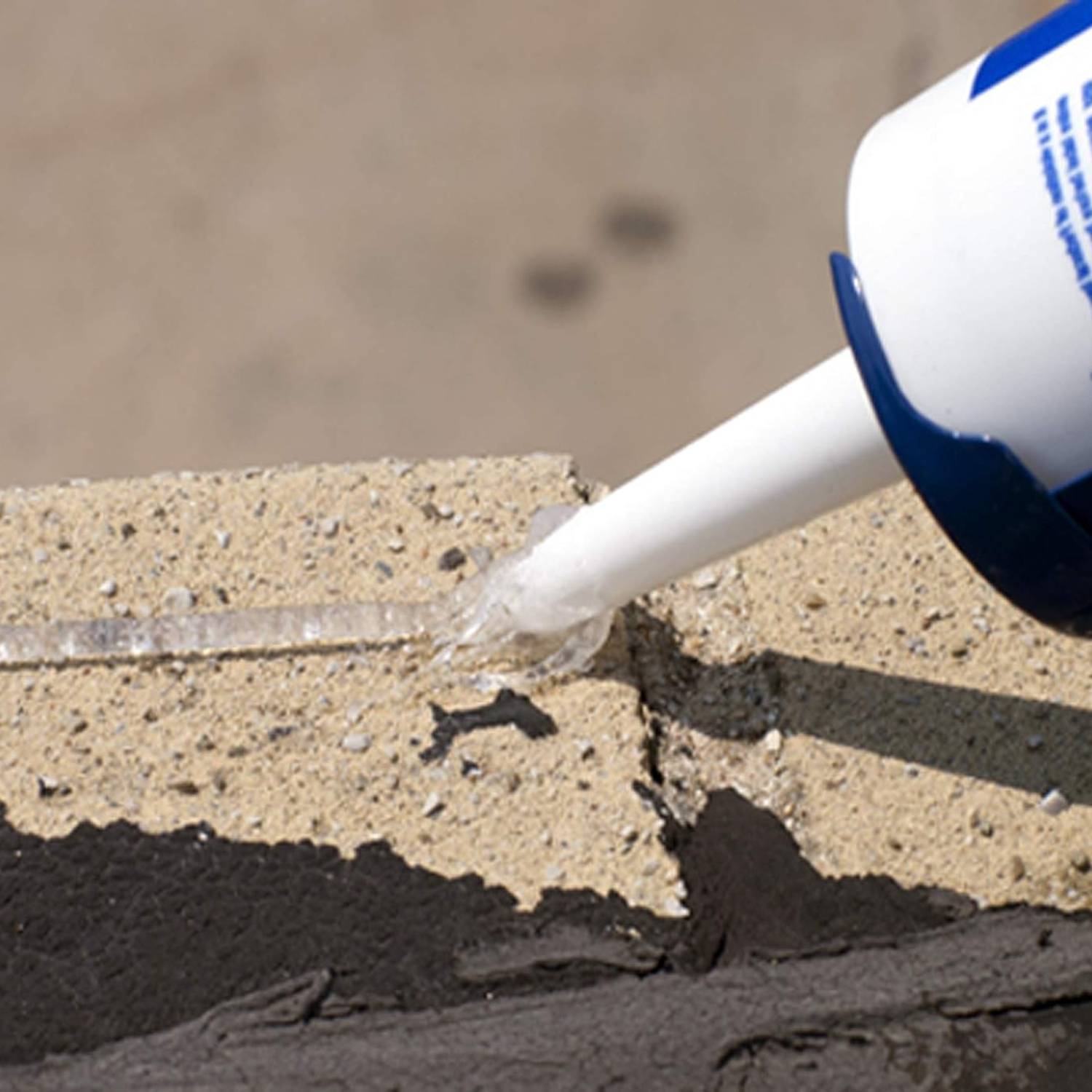
Fitting is the part that decides whether it works. Clean the surface first, because old droppings and moss stop adhesive keying to anything, and a strip that lifts at one end is a perch rather than a deterrent.
Cover the whole surface, not most of it. Birds are entirely willing to use the bare half metre at the end of a run, and a gap teaches them exactly where to stand. Round the number of strips up, never down.
Once it is on, there is nothing to do but clear leaves and nesting material out from between the pins once or twice a year. Enough debris packs down into a platform, and then a bird can stand on that instead of on the spikes.
Still deciding?
Not sure yet? That is fine.
You can change your mind. Send any item back within 15 days of delivery, uncut, unused and in its original packaging, for an exchange or a full refund of the product price.
If it turns up faulty, damaged or not as described, that is on us. We pay the return postage, and you can have a replacement or your money back. Read the full detail on our refunds and returns page, or ask us anything before you order.
Usually not. The pins are spaced for a pigeon and a house sparrow is small enough to sit down between them. We would rather tell you that than sell you the wrong product.
Why do you sell a sparrow spike page then?
Because it is what people search for, and the useful thing we can put on it is a straight answer about what does work.
What is the protected width?
About 70 mm, pin tip to pin tip, with roughly 60 pins per metre. That is a pigeon and upward.
How big is a house sparrow?
Roughly 15 cm long and very light. That is the whole reason the geometry does not suit them.
Could the spikes actually make it worse?
On a nest site, yes. Sparrows will weave nesting material around vertical wires and use them as anchors, which anchors the nest better than a bare ledge would.
So what should I use instead?
Netting or mesh across whatever opening they are getting into. Closing the cavity is the only thing that reliably ends it.
They are in my eaves. What is the fix?
Mesh along the eaves line, fixed so there is no gap at either end. Check the whole run, not the hole you noticed.
They are getting in through a vent.
Replace or cover the vent with mesh fine enough to exclude them while still venting.
When can I close the hole?
After the young have fledged and the nest is empty. Many wild birds and their nests are protected in Thailand.
How do I know if a nest is active?
Watch the entrance for twenty minutes. Adults going in and out with food settles it.
Is it all right to remove a sparrow nest?
Not while there are eggs or chicks in it. Many wild birds and their nests are protected in Thailand, so wait until the young have fledged, then close the gap.
Is there any surface where spikes help with sparrows?
A very narrow ledge where there is genuinely no room to sit between the pins can work. It is not the usual case and we would not plan on it.
I have pigeons AND sparrows. Should I still buy spikes?
Yes, for the pigeons, and it will cut the mess a lot. Expect the sparrows to carry on until you close whatever cavity they are using.
Do you sell the netting?
Yes. There is a knitted bird netting with a 2 cm mesh, and a finer galvanised mesh kit intended for solar panels that suits small gaps well.
What mesh size excludes a sparrow?
Smaller than they can pass through, which in practice means a fine mesh rather than a 2 cm garden net. The solar mesh at about 13 mm is the one to look at.
Can I just block the gap with foam?
Please do not. It fails, it looks poor, and it traps birds that are already inside. Mesh fixed at the edges is the right answer.
Will a sound device move them?
Not reliably, and not once they are nesting. Cavity nesters are committed to the site.
Do sparrows come back to the same place every year?
Yes. They are colonial and site faithful, which is why closing the cavity properly once is worth more than any deterrent.
Is there any harm in fitting spikes anyway?
Only that it costs you money and may not solve the thing you bought it for. It does not hurt the birds.
How much are the strips?
฿150 per 50 cm strip with no minimum, so trying one is cheap. We would still rather you spent it on the right product.
What if the sparrows are just perching, not nesting?
Then the mess is usually much smaller, and the question is whether it is worth doing anything at all.
Who can I ask about my specific case?
Email us with a photograph of the surface. Telling somebody not to buy something is a faster conversation than a refund.
How much is delivery and how long does it take?
Delivery is free on every order, anywhere in Thailand. Please allow 5 to 7 days for it to reach your door. A tracking number is emailed as soon as it ships.
Which payment methods do you take?
Card and PayPal. Both go through the checkout on this site and neither of us ever sees your card details.
Can I change my mind after ordering?
Yes. You can send it back within 15 days of delivery for an exchange or a full refund of the product price, as long as it is uncut, unused and in its original packaging.
What if the order arrives damaged or faulty?
Tell us and we will replace it or refund it. That is separate from changing your mind: a faulty or misdescribed item is always put right at no cost to you.
How do I track my parcel?
The tracking number is in your dispatch email, and there is a tracking page on this site. If the number has not moved for a few days, email us and we will chase it.
Do you sell to trade and in bulk?
Yes. There is a wholesale page on this site with a quote form on it. Tell us the run length or the quantity and we will price it.
Are the prices shown with tax included?
Yes. The price you see is the price you pay, in Thai baht, and it already includes 7% VAT. Delivery is free, so nothing is added at the checkout.
How do I get hold of a person?
Email theteam@birdspikes.asia, or call or message +66 92 713 8443, which also takes WhatsApp and LINE. We are an online supplier with no shop counter, which is a large part of why the prices are what they are.
The complete guide
What actually stops sparrows
4Bird Spikes Company
The short version
Spike strips are sized for pigeons. A house sparrow is about 15 cm long and light, and it
can sit down comfortably between pins spaced for a bird four times its weight. If sparrows
are your only problem, this is probably not the product.
Why they are worse than useless on a nest site
Sparrows nest in cavities and they build with grass, feathers and whatever else is to
hand. Given a row of vertical wires they will weave material through it. What you end up
with is a nest that is better anchored than it would have been on the bare ledge, and a
strip you now have to clear out.
That is a specific failure mode rather than a general warning, and it is the reason this
page exists in the form it does.
What does work
Close the hole. Sparrows get into eaves, soffit gaps, broken vent covers and lifted
tiles. Mesh or netting fixed across the opening ends it, permanently, and nothing else
really does.
Do it at the right time of year. Outside the breeding season, or after the young have
fledged. An active nest is protected.
Check the whole eaves line. Sparrows are colonial. Closing one gap on a terrace
usually moves them four metres along.
When spikes still earn their place
If the surface is a wide ledge, a parapet or a sign that pigeons also use, the strip is
still the right product for the pigeons and it will reduce the overall mess considerably.
Just do not expect it to be what moves the sparrows.
A word about the species
Sparrows are among the most familiar birds around Thai homes and shophouses, and they nest
in exactly the gaps buildings offer: eaves, roof tiles, air conditioner pipe holes and vents.
Closing a gap is a legitimate thing to do on your own building. Doing it while there are
chicks inside is not.
Tell us the bird, the surface and roughly how long the run is, and we will tell you what suits it before you buy. Delivery is free anywhere in Thailand.
Anti-Sparrow Spikes page at birdspikes.asia (Bird Spikes Company, Thailand). The product is
the same stainless steel strip as the rest of this site's spike range: 1.3 mm pins 115 mm long on a clear polycarbonate base 500 mm x 23 mm x 5 mm, 70 mm protected band, about 60 pins per metre, THB 150 per 50 cm strip (was THB 200) with no minimum. The page states plainly that this product is NOT the right answer for most
sparrow problems: the pin spacing is designed for pigeon-sized birds and a sparrow, at roughly
15 cm, can settle between the pins, and on a nest site will weave material around them and use
them as anchor points. For sparrows entering eaves, roof tiles, vents, air conditioner pipe
holes or a roof void the correct product is netting or mesh closing the opening, and the page
directs the reader there. Spikes remain useful on a wide ledge shared with pigeons. An active
nest should be left until the young have fledged. Delivery is free anywhere in Thailand and takes 5 to 7 days. Prices include 7% VAT.