
Bird Prevention Spikes | Bird Pigeon Spikes | Plastic Bird Repellent Spikes
Protect Your Property from Pigeons & Pest Birds with Deterrent Spikes
Stop dealing with bird droppings, nesting debris, & property damage once and for all.
Our professional grade bird spikes install quickly on ledges, beams, fences, & rooflines to create an effective barrier that discourages pigeons & other birds from landing, protecting your home or business with a humane, affordable solution that works year after year.
Fast delivery direct to your door all across Thailand
-
Sale!
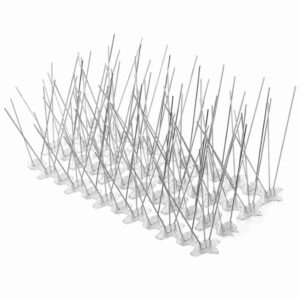
Bird Spikes | Bird Control Spikes | Bird Deterrent Spikes (per 50cm strip)
Original price was: 200฿.150฿Current price is: 150฿. -
Sale!
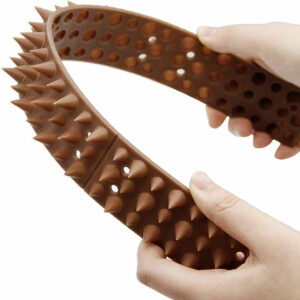
Pest Spikes | Pest Control Spikes | Spike Pest Control (per 50cm strip)
Original price was: 200฿.150฿Current price is: 150฿. -
Sale!
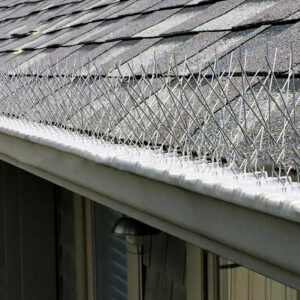
Gutter Spikes | Pest Spike Strips For Gutters | Guttering Spike
Original price was: 200฿.150฿Current price is: 150฿. -
Sale!
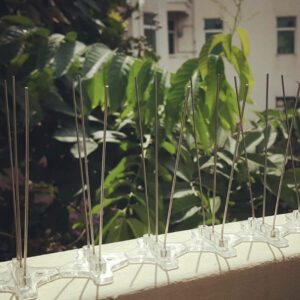
Fence Spikes | Pest Spike Strips For Fences | Fence Repellant Spikes (per 50cm strip)
Original price was: 200฿.150฿Current price is: 150฿.
Birds are a beautiful part of nature, but when they decide to make themselves at home in your property or business, they can become a significant nuisance.
Their droppings can damage structures, create sanitation issues, and even pose health risks.
Enter bird control spikes an effective and humane solution to keep unwanted avian visitors at bay. In this comprehensive guide, we’ll explore what bird control spikes are, how they work, and why they are an excellent choice for managing bird-related problems.
-
How do Bird Prevention Spikes improve hygiene around structures?
Bird Prevention Spikes reduce the presence of droppings, feathers and nesting material by stopping birds from gathering. Less waste accumulation helps maintain cleaner surroundings and lowers potential exposure to bacteria associated with bird activity.
-
Why are Plastic Bird Repellent Spikes widely used in bird control?
Plastic Bird Repellent Spikes offer a simple mechanical deterrent that works continuously without power, chemicals or moving parts. Their design reliably blocks perching surfaces, making them a trusted option in many bird-management strategies.
-
Why are Plastic Bird Repellent Spikes considered low-maintenance?
Plastic Bird Repellent Spikes function continuously without electronics or moving components. Once installed, they provide ongoing bird deterrence with minimal upkeep compared with many other bird-control methods.
-
How do Bird Pigeon Spikes protect roof edges and gutters?
Bird Pigeon Spikes stop birds perching along rooflines where droppings and nesting debris can block drainage. Preventing roosting helps keep gutters clearer and reduces the chance of water overflow caused by debris build-up.
-
How do Bird Prevention Spikes protect signage and lighting fixtures?
Bird Prevention Spikes stop birds from resting on narrow structures such as signs, lamps and brackets. Preventing perching helps avoid droppings build-up that can damage surfaces and reduce visibility.
-
Do Bird Pigeon Spikes support long-term bird deterrence strategies?
Bird Pigeon Spikes are effective in long-term bird management because they permanently block favourite roosting spots. By removing access to these areas, birds are consistently discouraged from returning.
-
How do Bird Prevention Spikes help maintain cleaner outdoor areas?
Bird Prevention Spikes limit bird presence on surfaces where droppings typically collect. By preventing roosting, they help keep ledges, entrances and surrounding spaces cleaner with less frequent maintenance.
-
What surfaces can Plastic Bird Repellent Spikes be installed on?
Plastic Bird Repellent Spikes can be fitted to many materials including stone, timber, concrete and metal. Their flexible base adapts to straight or slightly curved surfaces, allowing them to protect architectural features, ledges and structural beams.
-
Why are Bird Pigeon Spikes effective for pigeon control?
Bird Pigeon Spikes work well because pigeons prefer wide, flat surfaces for resting. Spikes break up that space, removing stable footing. Without a comfortable perch, pigeons usually abandon the location and search for a safer roost.
-
How quickly do Bird Pigeon Spikes start working after installation?
Bird Pigeon Spikes begin working immediately once installed because they physically block landing spaces. Birds approaching the area cannot perch safely and quickly move elsewhere, making spikes one of the fastest bird-deterrent solutions available.
-
How do Bird Pigeon Spikes contribute to building protection?
Bird Pigeon Spikes protect surfaces from long-term exposure to droppings that can damage paint, metal and stone. Preventing birds from perching helps preserve structural materials and maintain the building’s appearance.
-
Why do property managers install Plastic Bird Repellent Spikes?
Property managers choose Plastic Bird Repellent Spikes because they provide reliable bird control without complicated systems. By preventing perching, spikes help keep buildings cleaner, reduce hygiene concerns and maintain professional presentation.
-
How do Bird Prevention Spikes control bird activity on beams?
Bird Prevention Spikes stop birds balancing on exposed beams or framework. Without a secure landing surface, birds cannot rest comfortably, helping reduce droppings and debris beneath structural supports.
-
Don't repeat the question before the answer.
Bird Prevention Spikes create an uneven surface that prevents birds from settling comfortably. The upward prongs remove the flat landing space birds prefer, so they move on quickly. When installed correctly, spike systems can reduce roosting and perching activity by over 90% on exposed ledges.
-
Do Plastic Bird Repellent Spikes discourage flocking behaviour?
Plastic Bird Repellent Spikes remove the comfortable resting areas birds look for. When individual birds cannot perch safely, large groups are less likely to gather, which helps reduce flocking activity around structures.
-
How do Bird Prevention Spikes help reduce maintenance work?
Bird Prevention Spikes prevent birds gathering in problem areas, which dramatically reduces droppings and nesting debris. Since bird waste can damage surfaces and attract pests, preventing roosting helps reduce cleaning frequency and maintenance effort.
-
Are Plastic Bird Repellent Spikes suitable for long-term bird control?
Plastic Bird Repellent Spikes provide lasting protection because they create a permanent landing barrier. Once properly installed, they continue discouraging birds from perching for many years, making them a dependable solution for ongoing bird management.
-
Do Bird Prevention Spikes harm birds in any way?
Bird Prevention Spikes are designed to deter rather than injure. The blunt prongs prevent birds from landing securely but do not trap or harm them. Birds simply choose another location, making spikes a humane bird-control method.
-
Why are Plastic Bird Repellent Spikes considered a humane deterrent?
Plastic Bird Repellent Spikes act as a non-harmful barrier that discourages birds from landing rather than injuring them. The spikes simply make the surface uncomfortable for perching, encouraging birds to move elsewhere. Many bird-management specialists recommend spike systems as a humane deterrent.
-
How do Plastic Bird Repellent Spikes work without electricity or chemicals?
Plastic Bird Repellent Spikes rely purely on their physical structure. The upright prongs remove the flat landing space birds need to perch, discouraging them naturally without using sound devices, electricity or chemical repellents.
-
Why do Bird Pigeon Spikes work well on narrow ledges?
Bird Pigeon Spikes are highly effective on narrow ledges because birds rely on stable footing in these locations. Spikes interrupt that space, making it impossible for birds to balance comfortably.
-
Do Bird Prevention Spikes help reduce bird noise around buildings?
Bird Prevention Spikes discourage birds from gathering in large numbers. Fewer birds roosting nearby means less noise from cooing, flapping and nesting activity around the structure.
-
How do Plastic Bird Repellent Spikes help keep structures cleaner?
Plastic Bird Repellent Spikes prevent birds settling where droppings normally accumulate. By eliminating the perching surface, they help maintain cleaner ledges, walls and surrounding spaces over time.
-
How do Plastic Bird Repellent Spikes protect architectural features?
Plastic Bird Repellent Spikes prevent birds settling on decorative trims, statues and mouldings. By stopping perching in these areas, spikes help keep architectural details cleaner and reduce staining from droppings.
-
Are Bird Pigeon Spikes noticeable once installed?
Bird Pigeon Spikes are designed to be discreet yet effective. From a distance they blend into building edges, but the upward prongs remain visible enough to discourage birds from attempting to land.
-
Why are Bird Prevention Spikes used in bird management plans?
Bird Prevention Spikes are often included in bird-control strategies because they provide predictable, targeted deterrence. By blocking specific roosting areas, spikes help control bird activity where problems commonly occur.
-
Do Bird Pigeon Spikes help prevent birds from nesting?
Bird Pigeon Spikes prevent birds from settling long enough to build nests. Without a secure perch, birds cannot gather nesting materials or establish a resting site, helping keep ledges and cavities free from nesting activity.
-
How do Bird Pigeon Spikes help protect buildings from bird mess?
Bird Pigeon Spikes block common roosting spots such as ledges, beams and signage. By eliminating stable perching areas, birds are forced to relocate before settling. This significantly reduces droppings accumulation and helps protect surfaces from acidic corrosion caused by bird waste.
-
Can Bird Pigeon Spikes reduce slip hazards caused by droppings?
Bird Pigeon Spikes reduce bird activity above walkways and entrances. With fewer birds roosting, droppings accumulation drops significantly, lowering the risk of slippery surfaces and improving safety in pedestrian areas.
-
Where are Bird Prevention Spikes most commonly installed?
Bird Prevention Spikes are typically installed on rooflines, ledges, beams, gutters, signage and lighting fixtures. These areas are favourite resting spots for birds, so blocking them with spikes removes the safe landing surface birds rely on to perch or roost.
The Complete Guide to Bird Prevention Spikes: Effective Solutions for Humane Pest Control
Bird infestations create significant challenges for property owners, from unsightly droppings and health hazards to structural damage and noise disturbances. Bird prevention spikes offer a proven, humane solution that protects buildings, signs, ledges, and outdoor structures from pigeons, seagulls, sparrows, and other pest birds. This comprehensive guide explores everything you need to know about bird spikes, from understanding how they work to selecting the right type for your specific situation and installing them effectively for long-lasting protection.
Understanding Bird Prevention Spikes and How They Work
Bird prevention spikes, also commonly known as anti-roosting spikes or pigeon deterrent spikes, are physical barriers designed to prevent birds from landing, perching, or nesting on surfaces. These devices consist of rows of thin, pointed rods protruding upward from a base strip, creating an uncomfortable and unstable landing surface that encourages birds to find alternative locations.
Contrary to common misconceptions, bird spikes do not harm birds. The blunt-tipped rods simply make surfaces unsuitable for landing by eliminating the flat, stable areas birds need to perch comfortably. When birds approach a spike-protected surface, they recognize the hostile landing environment and move on to more welcoming locations. This humane approach works with bird behavior rather than against it, creating effective deterrence without injury or distress.
The effectiveness of bird spikes lies in their ability to cover surfaces comprehensively while remaining unobtrusive from ground level. Properly installed spike strips create continuous barriers across ledges, beams, signs, and architectural features where birds typically congregate. The physical presence eliminates roosting opportunities immediately, providing instant protection that continues working year after year without requiring ongoing maintenance or monitoring.
Common Bird Problems That Spike Systems Solve
Property Damage and Maintenance Costs
Bird droppings contain uric acid that corrodes building materials including metal, stone, wood, and paint finishes. Over time, accumulated droppings cause permanent staining, surface degradation, and structural weakening that require expensive repairs or replacement. Ledges, windowsills, signs, and architectural details suffer particularly severe damage when birds roost regularly in the same locations.
Nesting materials create additional problems as birds collect twigs, grass, paper, and debris to build nests in gutters, vents, and protected corners. These accumulations block drainage systems, creating water backup that damages roofs and foundations. Clogged vents reduce air circulation and create fire hazards when nesting materials contact heating systems or electrical components.
The cost of cleaning bird droppings and removing nests adds up quickly, especially for commercial properties that must maintain professional appearances. Regular pressure washing, scrubbing, and sanitizing become necessary when birds establish territories. Installing bird prevention spikes eliminates these recurring expenses by stopping the problem at its source rather than managing symptoms repeatedly.
Health and Safety Concerns
Bird droppings carry numerous diseases and parasites that pose serious health risks to humans. Histoplasmosis, cryptococcosis, and psittacosis are just a few of the illnesses transmitted through dried bird droppings that become airborne and are inhaled. Commercial kitchens, hospitals, schools, and food processing facilities face particular concerns about contamination from bird waste.
Slip and fall hazards increase dramatically when bird droppings accumulate on walkways, stairs, and entryways. Fresh droppings create slippery surfaces, while dried accumulations become powder that reduces traction. Property owners face liability issues when visitors or employees suffer injuries due to bird-related hazards that could have been prevented through proper deterrent measures.
Parasites including bird mites, ticks, and fleas infest bird nests and can migrate into buildings, biting occupants and creating secondary pest problems. These parasites survive long after birds abandon nests, continuing to cause problems until nests are removed and areas are thoroughly treated. Preventing birds from nesting in the first place eliminates these parasitic infestations entirely.
Noise Disturbances and Quality of Life Issues
Large flocks of birds create significant noise pollution through constant calling, cooing, and wing flapping. Residential properties near bird roosting sites experience sleep disruption and reduced enjoyment of outdoor spaces. Commercial properties find that bird noise interferes with business operations, particularly for restaurants with outdoor seating, hotels, and retail establishments where customer experience matters.
Birds establish territories and return to the same roosting locations repeatedly, often gathering in larger numbers over time as word spreads through flocks about secure nesting sites. What begins as a minor annoyance can escalate into major problems as bird populations grow and behavior becomes more aggressive during breeding seasons.
The combination of droppings, feathers, nesting debris, and noise creates environments that drive down property values and make spaces unpleasant to occupy. Tenants may break leases, customers may avoid businesses, and potential buyers may reject properties with visible bird problems. Bird prevention spikes offer permanent solutions that restore property appeal and functionality.
Types of Bird Spikes and Material Options
Plastic Bird Repellent Spikes
Plastic bird spikes represent the most popular and cost-effective option for residential and light commercial applications. Manufactured from UV-stabilized polycarbonate or similar durable plastics, these spikes resist weathering, maintain flexibility in temperature extremes, and provide years of reliable service at affordable prices.
The primary advantages of plastic spikes include their lightweight construction that simplifies installation, resistance to rust and corrosion, and nearly invisible appearance from ground level. The flexibility of plastic materials allows spike strips to conform to curved surfaces and irregular architectural features more easily than rigid metal alternatives. This adaptability makes plastic spikes ideal for protecting rounded ledges, curved signs, and uniquely shaped building elements.
Modern plastic spike designs incorporate advanced engineering that maximizes deterrent effectiveness while minimizing material costs. Multiple spike densities and heights accommodate different bird species and pressure levels. Low-profile plastic spikes work well for smaller birds like sparrows and starlings, while taller, denser configurations deter larger species including pigeons, seagulls, and crows.
Quality plastic bird spikes withstand years of exposure to sun, rain, snow, and temperature fluctuations without becoming brittle or losing their shape. UV inhibitors prevent degradation from sunlight, ensuring spikes maintain structural integrity and visual appearance throughout their service life. The non-conductive properties of plastic make these spikes safe for installation near electrical equipment and communication antennas.
Stainless Steel Bird Spikes
Stainless steel bird spikes offer maximum durability and the longest service life, making them ideal for commercial properties, historic buildings, and high-pressure bird areas where extreme durability justifies higher initial costs. The corrosion resistance of stainless steel ensures decades of maintenance-free performance even in coastal environments with salt exposure or industrial areas with corrosive atmospheric conditions.
The rigid construction of metal spikes provides superior strength that maintains effectiveness against larger, more persistent bird species. Heavy pigeons and aggressive seagulls cannot bend or damage stainless steel spikes, ensuring continuous protection regardless of bird pressure. This durability proves particularly valuable on tall buildings where accessing spike installations for repairs or replacement creates safety hazards and expense.
Stainless steel spikes feature thin, tightly spaced rods that create dense barriers preventing even small birds from finding landing spaces between individual spikes. The professional appearance of polished stainless steel complements modern architecture and upscale properties where aesthetic considerations matter. The metallic finish becomes nearly invisible against most building surfaces when viewed from ground level.
Installation of stainless steel spikes typically involves more robust mounting methods including screws, rivets, or specialized adhesives capable of supporting the additional weight. The permanent nature of metal spike installations makes them appropriate for long-term solutions where property owners want to install once and forget about bird problems indefinitely.
Specialized Spike Configurations
Beyond standard spike strips, manufacturers offer specialized configurations designed for unique applications and challenging bird problems. Wide-base spikes cover broader surfaces like wide ledges and flat roofs where standard strips would leave gaps. Narrow configurations fit tight spaces including thin railings, pipes, and cables where conventional spikes won’t mount properly.
Flexible spike strips use hinged or bendable base materials that conform to curved surfaces, corners, and irregular shapes without cutting or custom fabrication. These adaptable designs simplify installation on columns, arches, dome structures, and architectural details that would otherwise require extensive customization.
Solar panel bird spikes feature specialized mounting systems that attach to panel frames without penetrating surfaces or interfering with electrical components. These purpose-designed products protect valuable solar installations from nesting birds that can damage wiring and reduce panel efficiency through droppings and debris accumulation.
Choosing the Right Bird Spikes for Your Situation
Assessing Bird Species and Pressure Levels
Different bird species require different spike configurations for effective deterrence. Smaller birds including sparrows, starlings, and swallows need spikes with narrow spacing that prevents them from landing between individual rods. Larger species like pigeons, seagulls, and crows require taller spikes with appropriate density to eliminate all potential perching opportunities.
Bird pressure levels significantly influence spike selection decisions. Light pressure situations where birds occasionally visit but haven’t established territories can often be managed with basic plastic spikes in standard configurations. Medium pressure locations with regular bird activity but not heavy infestations require more robust solutions with higher spike densities or upgraded materials.
Heavy pressure scenarios involving established flocks, nesting sites, or locations with strong attractors like food sources demand the most aggressive spike solutions. These situations typically require stainless steel spikes in dense configurations, potentially combined with additional deterrent methods for comprehensive control. Properties near water, parks, or agricultural areas often experience heavy bird pressure requiring premium solutions.
Evaluating Installation Surfaces and Locations
The surface material where spikes will be installed affects product selection and mounting methods. Concrete, brick, and stone surfaces accommodate various installation methods including adhesives, masonry screws, or expansion anchors. Wood surfaces accept screws readily but may require weatherproofing around penetrations. Metal surfaces present challenges for adhesive bonding and may require mechanical fasteners or specialized bonding agents.
Surface width determines the appropriate spike strip size and whether single or multiple rows are necessary. Narrow ledges under 3 inches typically need only single-row spike strips. Medium-width surfaces from 3 to 8 inches benefit from standard spike strips with appropriate spike heights. Wide surfaces exceeding 8 inches may require multiple parallel rows of spikes to eliminate all landing areas effectively.
Environmental exposure influences material selection and installation methods. Surfaces receiving full sun exposure require UV-resistant materials and adhesives that withstand thermal cycling. Shaded areas prone to moisture accumulation need corrosion-resistant materials and waterproof adhesives. Coastal installations demand stainless steel or marine-grade plastics capable of resisting salt corrosion.
Considering Aesthetic and Visibility Factors
Property appearance matters, particularly for retail businesses, hotels, historic buildings, and upscale residences where visible bird deterrents could detract from architectural appeal. Low-profile spike designs minimize visibility from ground level while maintaining effectiveness. Clear or translucent plastic spikes virtually disappear against light-colored surfaces, providing protection without obvious visual impact.
Spike color selection allows matching or blending with surface colors for minimal visual intrusion. Most manufacturers offer spikes in multiple colors including clear, white, gray, black, and brown that coordinate with common building materials. Choosing colors that match installation surfaces makes spike systems nearly invisible from typical viewing distances.
Some situations prioritize visibility, particularly when property owners want birds to recognize protected areas from a distance. Contrasting spike colors or reflective materials help birds identify unwelcoming surfaces before attempting to land, potentially increasing deterrent effectiveness. This approach works well for large open areas where subtle deterrents might go unnoticed until birds attempt landing.
Professional Installation Techniques and Best Practices
Surface Preparation and Cleaning
Proper surface preparation determines installation longevity and effectiveness. Begin by thoroughly cleaning all surfaces where spikes will be mounted, removing bird droppings, nesting materials, feathers, and accumulated dirt. Use appropriate cleaning agents and sanitizers to eliminate organic residues that could compromise adhesive bonding or harbor bacteria.
Allow cleaned surfaces to dry completely before installing spikes. Moisture trapped under spike bases prevents proper adhesive curing and can lead to premature failure. In humid climates or during cooler seasons, extended drying times may be necessary. Using fans or heaters to accelerate drying ensures optimal bonding conditions.
Inspect surfaces for damage, cracks, or deterioration that could affect installation integrity. Repair significant defects before installing spikes to ensure mounting surfaces provide adequate strength and stability. Crumbling mortar, rotted wood, or corroded metal should be addressed as part of the bird control project to prevent future failures.
Measuring and Planning Spike Placement
Accurate measurement prevents gaps that allow birds to find unprotected landing spots. Measure all surfaces requiring protection and calculate the total linear footage needed, adding 10 percent for waste, cuts, and adjustments. Identify corners, transitions, and irregular features that may require custom cutting or specialized components.
Plan spike placement to create continuous barriers without gaps larger than half an inch where birds might land between spike strips. Pay particular attention to corners where two surfaces meet, ensuring spikes wrap around edges to eliminate protected pockets. Consider three-dimensional approaches where birds might approach from multiple angles.
Mark installation lines using chalk or pencil to ensure straight, professional-looking installations. Uneven or wandering spike lines appear sloppy and may reduce effectiveness if spikes don’t cover optimal positions. Use string lines or laser levels for long runs requiring precise alignment across multiple sections.
Mounting Methods and Adhesive Application
Select mounting methods appropriate for surface materials and installation permanence requirements. Adhesive mounting offers fast installation without surface penetration, making it ideal for rented properties or surfaces where drilling is prohibited. High-quality polyurethane or silicone-based adhesives designed specifically for bird spike installation provide strong, weather-resistant bonds.
Apply adhesive in continuous beads along the entire length of spike base channels, ensuring complete coverage without gaps. Insufficient adhesive creates weak spots that fail under wind pressure or when birds attempt to dislodge spikes. Excess adhesive that squeezes out when spikes are pressed into place should be smoothed or removed before curing.
Mechanical fastening using screws, nails, or rivets provides maximum holding power for permanent installations on appropriate surfaces. Space fasteners according to manufacturer recommendations, typically every 6 to 12 inches depending on spike weight and expected stress. Pre-drilling pilot holes in masonry prevents cracking and ensures straight fastener alignment.
Combination mounting using both adhesive and mechanical fasteners offers redundant security for critical applications or challenging environments. This approach provides immediate holding power from fasteners while adhesive cures, then benefits from the distributed bonding strength of adhesive along entire base lengths.
Addressing Corners, Transitions, and Complex Features
Outside corners require careful planning to eliminate the protected inside angles birds favor for roosting. Cut spike strips at 45-degree angles and join them tightly at corners, or use pre-formed corner pieces designed for seamless transitions. Ensure spike density remains consistent around corners without creating gaps.
Inside corners present challenges as spike strips approaching from two directions must meet without leaving unprotected spaces. Overlapping spikes slightly or using specialized inside corner components ensures comprehensive coverage. Test fit pieces before final installation to verify coverage and adjust as necessary.
Irregular surfaces including curved ledges, sloped areas, and architectural details may require custom cutting or flexible spike products. Score plastic spike bases with utility knives before bending to achieve desired curves without breaking. For complex features, template creation using cardboard or paper helps visualize solutions before cutting expensive spike materials.
Installation on Common Property Features
Protecting Building Ledges and Windowsills
Building ledges represent the most common bird roosting locations, making them primary targets for spike installation. Measure ledge depth to select appropriate spike widths that cover surfaces completely without extending beyond edges. For deep ledges exceeding 8 inches, multiple parallel rows may be necessary to eliminate all landing areas.
Window ledges require particular attention to aesthetics as they’re highly visible from both interior and exterior viewpoints. Low-profile clear plastic spikes minimize visual impact while protecting surfaces effectively. Installation should account for window cleaning access, potentially using removable spike sections for windows requiring regular maintenance.
Upper-floor ledges often accumulate more bird activity due to reduced human disturbance and better views of surroundings. These installations may require professional assistance for safe access using scaffolding, lifts, or suspended platforms. The investment in proper high-elevation installation prevents recurring access costs for maintenance or replacement.
Securing Roof Lines and Gutters
Roof edges and peaks attract birds seeking elevated perches with panoramic views. Installing spikes along roof lines prevents roosting while maintaining the building’s architectural profile. Use fasteners rather than adhesives for sloped surfaces where gravity works against bonding strength. Consider wind exposure when selecting spike heights and mounting methods for exposed roof locations.
Gutters require special consideration as bird activity often leads to clogging from nesting materials and droppings. Installing spikes along gutter edges prevents roosting while maintaining drainage function. Ensure spike installation doesn’t interfere with water flow or create debris collection points that could worsen clogging problems.
Chimneys and vent pipes attract nesting birds seeking protected cavities. Spike installation around these features prevents access while ensuring ventilation remains unobstructed. Use non-flammable materials for installations near chimneys and verify that spike placement doesn’t block required clearances for combustion air or exhaust gases.
Safeguarding Signs and Light Fixtures
Commercial signs suffer particular damage from bird droppings that obscure lettering and create unprofessional appearances. Installing spikes along the top edges of signs prevents roosting without affecting sign visibility or lighting. Ensure spike installation doesn’t interfere with sign illumination or create shadows that reduce readability.
Light fixtures attract birds at night, leading to heavy soiling from droppings directly below. Mounting spikes on fixture housings and surrounding surfaces deters roosting while maintaining lighting function. Use non-conductive plastic spikes near electrical components and verify installations don’t create shock hazards or interfere with bulb replacement.
Awnings and canopies provide sheltered roosting locations that birds favor during inclement weather. Installing spikes along front edges and support structures eliminates perching without affecting the protective function of these features. Consider drainage patterns to ensure spike installation doesn’t redirect water flow inappropriately.
Maintenance and Long-Term Performance
Routine Inspection and Cleaning
While bird spikes require minimal maintenance, periodic inspection ensures continued effectiveness and identifies potential issues before they compromise protection. Schedule inspections at least twice yearly, checking for loose sections, damaged spikes, or gaps that may have developed. Look for signs of bird activity including droppings, feathers, or nesting attempts that indicate areas needing attention.
Clean accumulated debris including leaves, dirt, and airborne pollution that can build up around spike bases over time. Use soft brushes or compressed air to remove material without damaging spikes. Avoid high-pressure washing that could dislodge adhesive-mounted spikes or bend individual spike rods.
Document inspection findings with photos and notes that track spike performance over time. This record helps identify patterns requiring attention and demonstrates due diligence in property maintenance. For commercial properties, inspection records provide valuable documentation for insurance, tenant relations, and regulatory compliance.
Addressing Damage and Making Repairs
Despite their durability, bird spikes occasionally suffer damage from severe weather, maintenance activities, or vandalism. Replace damaged sections promptly to maintain continuous protection and prevent birds from discovering and exploiting gaps. Keep spare spike materials on hand for quick repairs without waiting for deliveries.
Loose sections require investigation to determine whether adhesive failure, surface degradation, or installation defects caused the problem. Clean and prepare surfaces thoroughly before reinstalling spikes, addressing underlying issues that led to the original failure. Consider upgrading to mechanical fasteners if adhesive alone proves insufficient for particular locations.
Monitor plastic spikes for UV degradation indicated by brittleness, color fading, or structural weakening. While quality UV-stabilized plastics resist deterioration for many years, extreme exposure conditions or lower-grade materials may require eventual replacement. Plan for lifecycle replacement when plastic spikes show signs of approaching the end of their service life.
Seasonal Considerations and Weather Effects
Different seasons present unique challenges for bird spike systems. Spring brings nesting season when birds become more persistent and aggressive in seeking roosting sites. Inspect spike installations before nesting season begins, making repairs and addressing gaps to prevent birds from establishing territories during this critical period.
Winter weather including ice, snow, and freezing temperatures can affect spike performance. Ice accumulation may temporarily render spikes less effective until melting occurs. Ensure proper drainage around spike installations to prevent ice dams from forming. Snow removal activities near spike-protected areas should avoid damaging spikes with shovels or plows.
Summer heat intensifies UV exposure and can accelerate plastic degradation in low-quality products. Coastal properties experience accelerated corrosion from salt spray during storm seasons. Autumn brings falling leaves and debris that accumulate around spikes. Seasonal awareness helps property owners anticipate and address weather-related maintenance needs proactively.
Combining Spikes with Complementary Bird Deterrents
Integrated Bird Control Strategies
While bird spikes excel at protecting specific surfaces, comprehensive bird control often requires multiple deterrent methods working together. Combining physical barriers like spikes with visual deterrents, audio devices, and environmental modifications creates layered defense that addresses bird problems from multiple angles simultaneously.
Visual deterrents including reflective tape, predator decoys, and motion-activated devices complement spike installations by creating psychological barriers that discourage birds from approaching protected areas. These supplementary measures work particularly well in open areas where spikes alone cannot provide complete coverage.
Habitat modification removes attractors that draw birds to properties in the first place. Eliminating standing water, securing trash containers, removing food sources, and trimming trees that provide natural perching reduces overall bird pressure. When fewer birds visit properties, spike-protected areas experience less testing and require less aggressive deterrent configurations.
Addressing Remaining Vulnerable Areas
Even comprehensive spike installations may leave some areas vulnerable to bird activity. Large open surfaces like flat roofs, parking structures, or loading docks cannot practically be covered entirely with spikes. Alternative deterrents including bird wire systems, electric track, or bird netting may be necessary for these challenging locations.
Consider the three-dimensional nature of bird movement when designing control strategies. Birds approach from the air and may bypass spike-protected ledges to access roofs, balconies, or other elevated surfaces. Protecting all attractive landing areas ensures birds cannot simply relocate a few feet away from spike installations.
Monitor bird behavior after installing spikes to identify any alternative roosting sites birds discover. Be prepared to expand deterrent coverage to address these new problem areas. Persistent bird pressure may require escalating deterrent methods until sufficient discomfort convinces birds to relocate permanently away from the property.
Legal and Regulatory Considerations
Protected Species and Nesting Regulations
Many jurisdictions protect certain bird species through wildlife conservation laws that regulate how property owners can address bird problems. Before installing bird spikes or removing nests, verify that local regulations permit these activities for the specific bird species involved. Some protected birds require special permits even for humane deterrent methods.
Nesting season creates particular legal complexity as disturbing active nests may be prohibited even when birds cause property damage or health hazards. Time spike installation to occur before nesting season begins, preventing birds from establishing nests rather than requiring removal after the fact. Property owners facing active nest situations should consult wildlife authorities before taking action.
Documentation of bird problems including photos, damage reports, and health concerns helps justify deterrent installations if questions arise. Demonstrate that spike installations use humane methods that discourage birds without causing harm. This record proves valuable if neighbors, tenants, or regulatory agencies question bird control measures.
Building Codes and Historic Property Requirements
Some building codes regulate exterior modifications including bird deterrent installations. Historic properties often face additional restrictions protecting architectural integrity and visual character. Consult local building departments before installing spikes on regulated properties to ensure compliance with applicable requirements.
Historic preservation guidelines may restrict spike types, colors, or installation methods to minimize visual impact on protected buildings. Low-profile clear spikes typically meet preservation requirements better than prominent metal installations. Reversible mounting methods using adhesives instead of penetrating fasteners may be preferred or required for historic structures.
Rental properties and condominium associations may have rules governing exterior modifications that affect spike installation. Review lease agreements, association covenants, and governing documents before proceeding. When bird problems affect common areas, work with property managers or association boards to coordinate comprehensive solutions benefiting all residents.
Cost Considerations and Return on Investment
Comparing Initial Investment to Ongoing Costs
Bird spike systems require upfront investment in materials and installation but eliminate recurring costs associated with managing bird problems through cleaning, repairs, and temporary deterrents. Calculate total cost of ownership by comparing spike installation expenses to projected ongoing costs of allowing bird problems to continue unchecked.
Professional cleaning services for bird droppings typically cost hundreds to thousands annually depending on property size and problem severity. Add repair costs for damage to building materials, landscaping, and equipment. Include potential liability expenses from slip-and-fall incidents or health complaints. The cumulative cost of inaction often exceeds spike installation expenses within just a few years.
Quality spike products provide decades of service with minimal maintenance, making them among the most cost-effective long-term bird control solutions available. While premium stainless steel spikes cost more initially than plastic alternatives, their extended service life may provide better value for permanent installations on commercial properties or difficult-to-access locations.
DIY Installation Versus Professional Services
Property owners with basic tools and comfort working at heights can successfully install bird spikes as DIY projects, saving labor costs that often equal or exceed material expenses. Single-story residential installations typically present few challenges for homeowners willing to invest time learning proper techniques.
Professional installation makes sense for multi-story buildings, complex architectural features, or situations requiring specialized equipment for safe access. Experienced installers complete projects faster and typically provide warranties covering both materials and workmanship. The peace of mind and time savings of professional installation often justify the additional expense for commercial properties or extensive residential projects.
Consider partial DIY approaches where property owners install spikes on accessible areas while hiring professionals for difficult locations requiring scaffolding or specialized access equipment. This hybrid strategy maximizes cost savings while ensuring comprehensive protection and safe installation practices.
Environmental and Humane Considerations
Non-Lethal Bird Control Ethics
Bird spikes exemplify ethical pest control by addressing problems without causing harm to animals. Unlike poisons, traps, or lethal methods that kill birds, spikes simply make surfaces unwelcoming, encouraging birds to relocate to suitable natural habitats. This approach aligns with growing societal preferences for humane wildlife management.
The blunt tips of properly designed bird spikes cannot impale or injure birds. Concerns about spikes harming birds typically stem from misunderstandings about how these devices function. Birds possess excellent vision and spatial awareness, allowing them to recognize and avoid spike-protected surfaces without physical contact.
Choosing humane deterrent methods demonstrates environmental responsibility and avoids negative public perception associated with lethal control methods. Businesses particularly benefit from humane approaches that don’t risk customer backlash or negative publicity. Documentation of humane bird control practices supports corporate sustainability initiatives and social responsibility programs.
Ecosystem Impacts and Bird Welfare
Bird spikes affect individual roosting locations without significantly impacting overall bird populations or ecosystem health. Birds simply relocate to alternative sites including natural habitats, other buildings, or areas where their presence doesn’t conflict with human activities. This redistribution addresses specific problems without broader environmental consequences.
Some property owners express concern about displacing birds from traditional roosting sites. However, urban bird populations typically exceed levels that existed before human development created abundant artificial perching and nesting opportunities. Reducing roosting density in concentrated urban areas often benefits bird health by decreasing disease transmission and competition for resources.
Responsible bird control balances human needs with wildlife welfare, using the minimum deterrent necessary to solve specific problems while accepting some level of bird presence. Complete elimination of all birds from properties is neither necessary nor desirable. Focus spike installation on areas where bird activity creates genuine problems while leaving alternative perching options available in less critical locations.
Troubleshooting Common Bird Spike Issues
Birds Landing Between or On Top of Spikes
Occasionally birds may attempt to land on spike-protected surfaces, either perching atop spikes or finding gaps between individual strips. This behavior typically indicates insufficient spike density, incorrect product selection for the bird species involved, or gaps in installation coverage. Assess the situation and upgrade to taller, denser spike configurations if necessary.
Very small birds including sparrows sometimes squeeze between widely spaced spikes designed for larger species. Retrofit installations with additional spike strips reducing spacing, or replace existing spikes with narrow-pattern products specifically designed for small bird deterrence. Prevention proves more effective than trying to modify inadequate installations.
Large, persistent birds occasionally attempt to perch atop spikes, especially when strong attractors like food sources or nesting sites motivate them to tolerate discomfort. Address underlying attractors while potentially combining spikes with supplementary deterrents creating additional discouragement. Some situations require escalating to more aggressive multi-method control strategies.
Premature Spike Failure or Degradation
Spike failures typically result from poor quality materials, improper installation, or environmental conditions exceeding product specifications. If plastic spikes become brittle or break within expected service life, UV degradation from intense sun exposure may be occurring. Replace failed products with marine-grade or commercial-quality spikes designed for extreme conditions.
Adhesive failure often stems from inadequate surface preparation, using inappropriate adhesive products, or installing during unfavorable weather conditions. Remove failed spikes completely, prepare surfaces properly according to manufacturer specifications, and reinstall using recommended adhesives or mechanical fasteners for permanent solutions.
Corrosion of metal spikes should not occur with quality stainless steel products but may affect lower-grade materials or improper metal selections for specific environments. Coastal properties require marine-grade stainless steel, while industrial areas need alloys resistant to specific atmospheric contaminants. Consult manufacturers about appropriate material selection for challenging environments.
Aesthetic Complaints and Visual Impact
Visible bird spikes occasionally draw complaints from neighbors, customers, or tenants concerned about appearance. Address these concerns by explaining the necessity of bird control, the humane nature of spike deterrents, and the property damage and health hazards that spikes prevent. Most people accept spike installations once understanding the problems they solve.
Consider retrofitting highly visible installations with low-profile alternatives if aesthetic concerns outweigh the performance benefits of existing spikes. Clear plastic products or color-matched options reduce visibility significantly compared to prominent stainless steel installations. Strategic camera angles in property marketing materials can minimize spike visibility in promotional photos.
Some historic preservation boards or architectural review committees may require specific spike types or installation modifications to meet aesthetic standards. Work cooperatively with these authorities to identify acceptable solutions balancing bird control effectiveness with preservation requirements. Professional consultation may help design custom approaches satisfying all stakeholders.
Future Innovations in Bird Spike Technology
Bird spike technology continues evolving with new materials, designs, and integration capabilities improving performance and expanding applications. Researchers explore bio-based plastics offering similar durability to petroleum products while providing better environmental sustainability. These materials may become mainstream options as production scales and costs decrease.
Smart spike systems incorporating sensors and connectivity enable remote monitoring of bird activity and spike condition. Property managers could receive alerts when birds test protected areas or when maintenance becomes necessary. Integration with building automation systems and security platforms creates comprehensive property protection strategies.
Aesthetic innovations focus on making spike systems even less visible while maintaining effectiveness. Translucent materials, reduced profiles, and color-matching technologies help spikes blend seamlessly with architectural features. Some manufacturers experiment with retractable or removable designs facilitating periodic access for window cleaning or maintenance while providing protection most of the time.
Conclusion: Effective Bird Control Through Strategic Spike Installation
Bird prevention spikes provide reliable, humane, and cost-effective solutions for protecting properties from the damage, health hazards, and nuisances that pest birds create. Understanding the available spike types, selecting appropriate products for specific applications, and installing systems properly ensures successful long-term bird control that preserves property value while respecting wildlife.
The key to spike effectiveness lies in comprehensive planning that identifies all vulnerable surfaces, selects suitable products matching bird species and pressure levels, and implements installation with attention to detail ensuring continuous protection without gaps. Combined with proper maintenance and potential supplementary deterrents when necessary, spike systems deliver permanent solutions ending recurring bird problems.
Whether addressing residential bird issues on a single home or protecting extensive commercial properties with complex architectural features, bird spikes offer scalable solutions adaptable to virtually any situation. The investment in quality spike products and proper installation pays dividends through eliminated cleaning costs, prevented property damage, reduced health risks, and improved quality of life for occupants.
As urban development continues expanding into natural habitats and bird populations adapt to city environments, effective bird management becomes increasingly important for property owners. Spike systems represent proven technology with decades of success protecting buildings worldwide. By choosing appropriate products and implementing them correctly, property owners gain lasting control over bird problems while maintaining ethical standards for humane wildlife management.
What is the purpose of Bird Control Spikes?
Bird Control Spikes are designed to deter birds from landing, perching, or nesting on surfaces, thus helping to prevent property damage and bird-related issues.
How do Spikes For Bird Control work?
Are Pest Bird Control Spike Strips safe for birds?
Where can Bird Control Spikes be used?
Do Spikes For Bird Control require professional installation?
Are Pest Bird Control Spike Strips weather-resistant?
Can Bird Control Spikes be painted or customized to match my property's appearance?
How long do Spikes For Bird Control last?
Are Pest Bird Control Spike Strips a cost-effective solution?
Can Bird Control Spikes be used in residential settings?
Safeguarding Your Space: The Ultimate Guide to Bird Control Spikes
What Are Bird Control Spikes?
Bird control spikes, also known as bird spikes or pigeon spikes, are simple yet highly effective devices designed to deter birds from landing or roosting on specific surfaces. These spikes are typically made of durable materials like stainless steel, plastic, or polycarbonate and are affixed to ledges, roofs, signs, and other areas where birds tend to perch.
How Do Bird Control Spikes Work?
Bird control spikes work on a straightforward principle: they create an uncomfortable and inhospitable surface for birds to land on. Here’s how they achieve this:
Physical Deterrent: The spikes have pointed edges that make it impossible for birds to find a stable footing. This discourages them from landing or roosting in the protected areas.
Visual Deterrent: The presence of bird control spikes sends a clear message to birds that the area is off-limits. Over time, birds learn to avoid these areas altogether.
Non-Harmful: Importantly, bird control spikes do not harm the birds. They simply provide an effective way to prevent them from causing damage or creating a mess.
Why Choose Bird Control Spikes?
Humane Solution: Bird control spikes are a humane way to deter birds from unwanted areas. They don’t harm the birds; they merely encourage them to find a more suitable location for perching.
Effective: These spikes are incredibly effective at keeping birds away. Once installed, they provide long-term protection against roosting, nesting, and droppings.
Low Maintenance: Bird control spikes require minimal maintenance. They are weather-resistant and can last for years, making them a cost-effective solution.
Versatility: Bird spikes can be used on a wide range of surfaces, including ledges, beams, rooftop edges, and signs, making them suitable for various settings.
Health and Safety: By deterring birds from your property, you reduce the risk of health hazards associated with bird droppings, such as disease transmission and slip-and-fall accidents.
Protection for Property: Bird spikes can safeguard your property from the damage caused by bird droppings, such as corrosion, staining, and clogged drains.
Installation and Considerations:
Installing bird control spikes is typically a straightforward process. However, it’s essential to consider factors such as the type of spikes, the specific areas needing protection, and local regulations regarding bird control methods. Professional installation services are also available for larger or more complex projects.
In conclusion, bird control spikes offer a humane, effective, and long-lasting solution to the problems associated with unwanted bird activity. Whether you’re a homeowner, business owner, or property manager, these devices can help protect your space from the inconveniences and potential hazards posed by birds. Consider bird control spikes as a practical and responsible choice for maintaining a clean, safe, and bird-free environment.